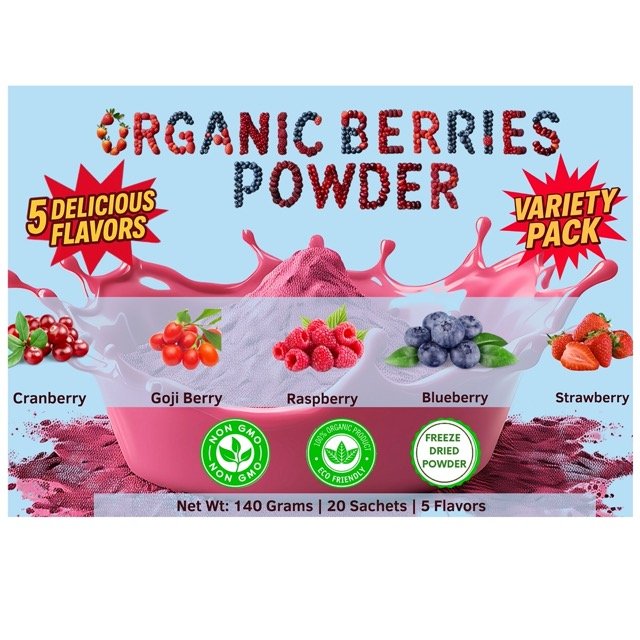
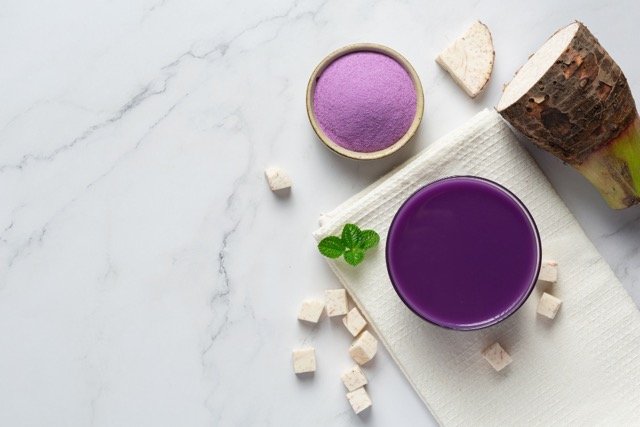
Ginkgo biloba and blueberry powder are both recognized for their potential health benefits and have gained popularity in various wellness circles.
Ginkgo biloba, a deciduous tree native to China, is one of the oldest living tree species and has been utilized in traditional medicine for centuries.
The leaves of the Ginkgo biloba tree are rich in flavonoids and terpenoids, compounds believed to enhance blood circulation and support cognitive health.
Due to its various ginkgo biloba uses, including improving memory and concentration, this herbal supplement has become a common choice among individuals looking to boost mental performance.
On the other hand, blueberry powder is derived from freeze-dried blueberries, which are celebrated for their exceptional antioxidant properties. Blueberries are often lauded as a superfood, packed with vitamins C and K, fiber, and an array of phytochemicals.
The benefits of blueberry consumption include supporting heart health, enhancing cognitive function, and providing anti-inflammatory effects.
By transitioning fresh blueberries into powder form, their nutritional benefits are concentrated, making blueberry powder a convenient addition to smoothies, cereals, and baked goods. This transforms the fruit’s inherent benefits into a versatile ingredient suitable for various culinary applications.
While ginkgo biloba is primarily associated with cognitive enhancement and improving blood flow, blueberry powder offers a broader range of health benefits owing to its rich nutritional composition.
Both substances represent unique contributions to health and wellness. The following sections will delve into further comparisons, examining their distinct properties, uses, and potential health implications based on available research.
Health Benefits of Ginkgo Biloba
Ginkgo Biloba, one of the oldest living tree species, has garnered attention for its numerous health benefits, particularly regarding cognitive health. Research indicates that Ginkgo Biloba may enhance memory and improve overall cognitive function.
One of the primary mechanisms through which this herb operates is by increasing blood flow to the brain, which can promote better cognitive clarity and mental agility.
Numerous studies have substantiated these claims; for instance, a systematic review published in a reputable journal found that individuals taking Ginkgo Biloba extracted improved cognitive performance compared to a control group.
Moreover, Ginkgo Biloba is often pursued for its potential effects on mental health, particularly in combating anxiety and depression. Some studies suggest that Ginkgo Biloba may mitigate symptoms of these conditions, offering a natural alternative to synthetic medications.
The flavonoids and terpenoids present in Ginkgo may act as antioxidants, reducing oxidative stress that can contribute to emotional disorders. In clinical settings, supplementation with Ginkgo Biloba has shown promising results in lowering anxiety levels.
Ginkgo Biloba can be consumed in various forms, including tablets, capsules, and liquid extracts. The dosage may vary based on the intended use.
However, it is essential to consult healthcare professionals before starting any new supplement regimen, particularly for those taking anticoagulant medications, as Ginkgo Biloba can increase the risk of bleeding due to its blood-thinning properties.
While Ginkgo Biloba is generally well-tolerated, side effects can occur, such as gastrointestinal upset, headache, or allergic skin reactions. Individuals considering its use should be aware of potential contraindications and consult with a healthcare provider to ensure it aligns with their health needs.
Health Benefits of Blueberry Powder
Blueberry powder, derived from the freeze-dried and ground form of blueberries, is increasingly recognized for its numerous health benefits. Rich in antioxidants, specifically anthocyanins, the powder exhibits potent properties that can combat oxidative stress.
These antioxidants play a crucial role in neutralizing free radicals, thereby reducing the risk of chronic diseases, including heart disease and cancer.
Research indicates that blueberry powder may contribute significantly to cardiovascular health. A study published in the Journal of Nutrition highlighted that regular consumption of blueberries can lower blood pressure and improve arterial function.
This suggests that blueberry powder, when incorporated into a balanced diet, may promote overall heart health and reduce the risk of cardiovascular events.
Additionally, blueberry powder is believed to have beneficial effects on cognitive function and aging. Various studies have shown that the compounds found in blueberries can enhance memory and signal improvements in brain connectivity.
For example, research featured in Frontiers in Nutrition demonstrated that participants who consumed blueberry-related products experienced cognitive benefits and better performance on tasks requiring memory retention.
Incorporating blueberry powder into one’s diet can be easily achieved. It can be added to smoothies, yogurt, oatmeal, or baked goods to enhance nutritional value and flavor. Moreover, it serves as a natural sweetener, making it a versatile option for those looking to improve their diet without processed sugars.
While blueberry powder is generally regarded as safe, some individuals may experience mild side effects, such as gastrointestinal discomfort. It is always advisable for individuals with allergies or specific health conditions to consult healthcare professionals before introducing new supplements into their diet.
Blueberry powder stands out as a powerful supplement that not only supports heart health but also contributes to cognitive function, making it a valuable addition to any health-conscious individual’s regimen.
Comparative Analysis: Ginkgo Biloba vs. Blueberry Powder
When examining Ginkgo Biloba vs. Blueberry Powder, it is essential to consider their respective health benefits and suitability for specific health goals. Ginkgo Biloba, derived from the leaves of the Ginkgo tree, is renowned for its potential cognitive enhancement properties.
It is widely used to improve memory, concentration, and overall brain health. Many studies suggest that Ginkgo Biloba can enhance blood flow to the brain, which may contribute to its effects on mental sharpness and clarity, making it a popular choice for individuals seeking cognitive support.
On the other hand, Blueberry Powder, derived from dried blueberries, is celebrated for its high antioxidant content and anti-inflammatory properties.
Blueberries are rich in anthocyanins, which not only combat oxidative stress but also offer potential benefits for heart health and cognitive functionality. Regular consumption of blueberry powder may support overall wellness and serve as a powerful ally against age-related decline.
From a consumer perspective, preferences between these two supplements may vary. Ginkgo Biloba is often more readily available in health food stores and pharmacies, typically found in capsule or liquid extract form.
Conversely, Blueberry Powder is frequently integrated into smoothies, yogurt, or breakfast bowls, appealing to those who prefer a versatile, easily incorporated nutrient source.
Regarding pricing, Ginkgo Biloba extracts may be more expensive due to the extraction process involved, while Blueberry Powder generally remains relatively affordable for the average consumer.
In terms of effectiveness, both supplements have unique roles depending on the individual’s health goals. If cognitive enhancement is the primary objective, Ginkgo Biloba may be the more appropriate choice.
For those focused on antioxidant support and overall heart health, Blueberry Powder could be the supplement of choice. Ultimately, the decision rests on personal health priorities and preferences.
In conclusion, both Ginkgo Biloba and Blueberry Powder offer distinct benefits that cater to various needs, allowing consumers to choose based on their specific health aspirations.
Ginkgo Biloba Extract vs Blueberry Powder: Summary Table
| Feature | Ginkgo Biloba Extract | Blueberry Powder |
|---|---|---|
| Source | Ancient herbal extract from Ginkgo tree leaves | Freeze-dried whole blueberries |
| Primary Benefits | Improves blood flow, supports memory, reduces mental fatigue | Rich antioxidants, supports brain health, reduces inflammation |
| Key Active Compounds | Terpenoids, flavonoids | Anthocyanins, vitamins, fiber |
| Main Mechanism | Enhances cerebral circulation and acts as antioxidant | Protects neurons, reduces oxidative stress, enhances long-term cognition |
| Best For | Short-term memory, focus, circulatory support | Long-term brain health, anti-aging, overall wellness |
| Form | Standardized extract capsules/tablets | Powder for smoothies, water, recipes |
| Safety Profile | Possible interactions with blood thinners; mild headache or GI upset | Very safe; rare allergies; no major interactions |
| Which Is Better? | Better for immediate cognitive boost and circulation issues | Better for daily nutrition and long-term brain protection |